Getting a tattoo is often a deeply personal experience. And no matter what motivates it, as a tattoo shop owner or tattoo artist, you understand the importance of tattoo hygiene and tattoo safety. Easily, one of the best ways to keep you and your clients safe is with proper handwashing. But retrofitting older buildings with the proper plumbing can be a hassle. You may not be able to see clients during the installation, costing you revenue. And if the parts aren’t available, the downtime may be longer than expected.
Fortunately, a portable sink offers you a safe, sanitary place to wash your hands without the downtime of installing traditional plumbing. Here’s why sanitation in tattoo studios matters and why you should consider a portable sink for your shop.
An unsanitary tattoo studio poses a significant risk to a tattoo artist and their client. Some of the more serious issues that can result from poor hygiene practices include:
One other risk is the possibility of bacterial infections, like staph, strep, and MRSA. While these types of infections often happen due to reasons outside the tattoo artist or shop’s control (like a client not following the aftercare instructions), unsanitary conditions inside the tattoo studio can raise the risk of bacterial infections.
As a rule, there are no national standards that govern tattoo shop sanitation and safety. Regulation and enforcement of safety and sanitation at studios often occur at the state level and fall to the local health authorities to monitor and inspect tattoo studios for compliance.
However, all tattoo studios are subject to Occupational Safety and Health Administration (OSHA) regulations, which govern safety in every U.S. workplace. Because tattoo artists are exposed to blood as part of their job duties, tattoo studios must follow OSHA’s Bloodborne Pathogens Standards (29 CFR 1910.1030). In a nutshell, OSHA requires that tattoo studios protect their employees from exposure to blood and any bloodborne pathogens. Tattoo studios must:
The OSHA standards only apply to tattoo studios with salaried employees, apprentices who are classified as employees, and anyone who meets the OSHA definition of an employee. Tattoo shops that only employ independent tattoo artists (those working as true 1099 contractors) and solo tattoo artists who have no employees are not required to meet OSHA standards. That said, state and local regulations may still require solo tattoo artists and tattoo shops with only independent contractors to meet state sanitation and safety rules.
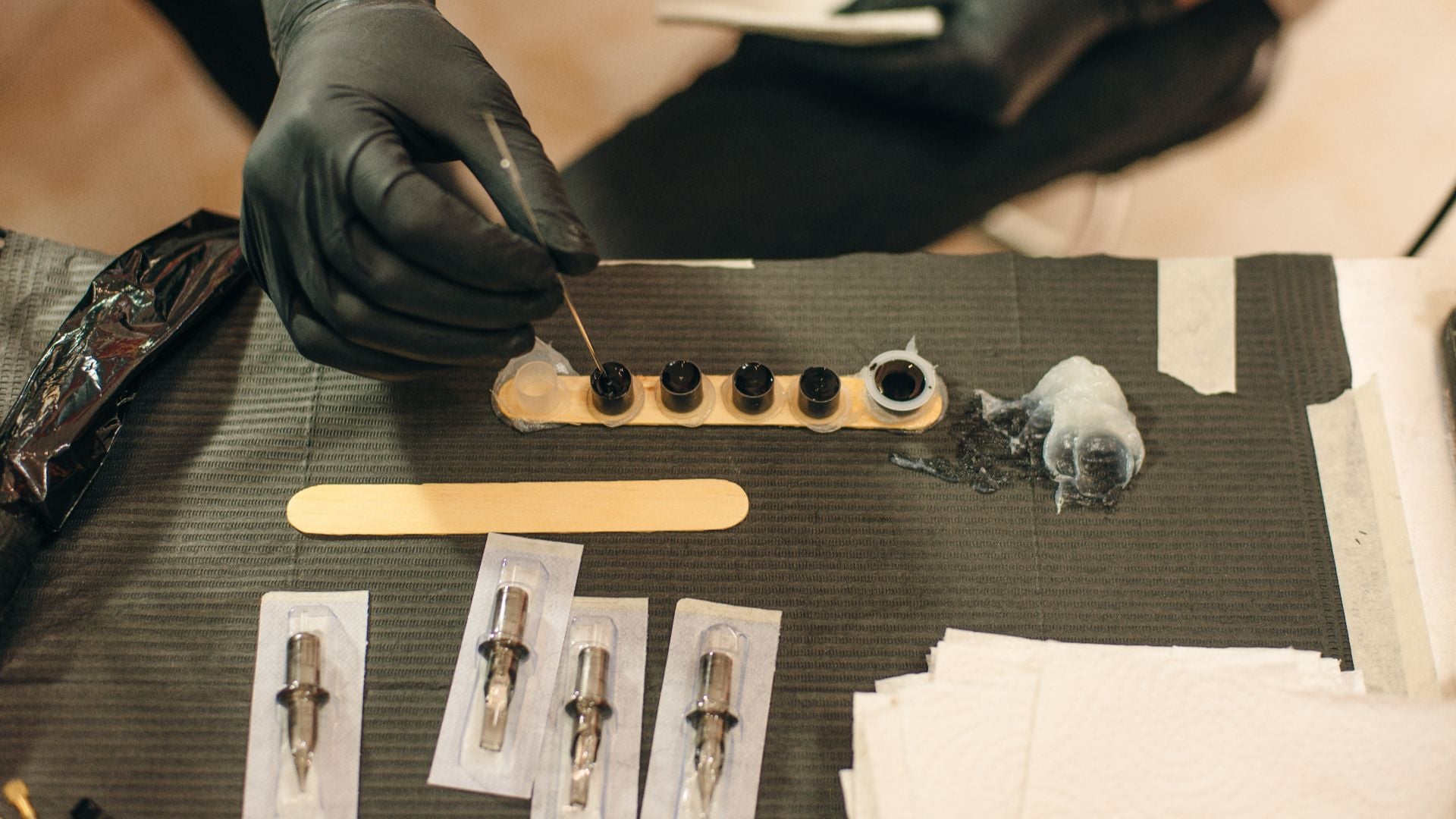
The OSHA standards for bloodborne pathogens apply to any business or industry that has the potential to expose employees to blood. To reduce that risk in tattoo shops, studio owners and artists should:
While complying with OSHA standards is not negotiable, tattoo artists and tattoo shops may be required to follow additional guidelines outlined by state or local standards. Even when that’s not the case, professional tattoo artists should follow these practices to keep themselves and their clients safe:
As noted above, both OSHA standards and the best practice emphasize the importance of handwashing before giving a client a tattoo. What’s more, both also state that easy access to handwashing sinks plays a critical role in preventing cross-contamination and maintaining tattoo safety and tattoo hygiene throughout the tattoo industry. But installing a traditional sink can be messy and expensive, especially when you’re a solo artist. That’s where a portable sink can help.
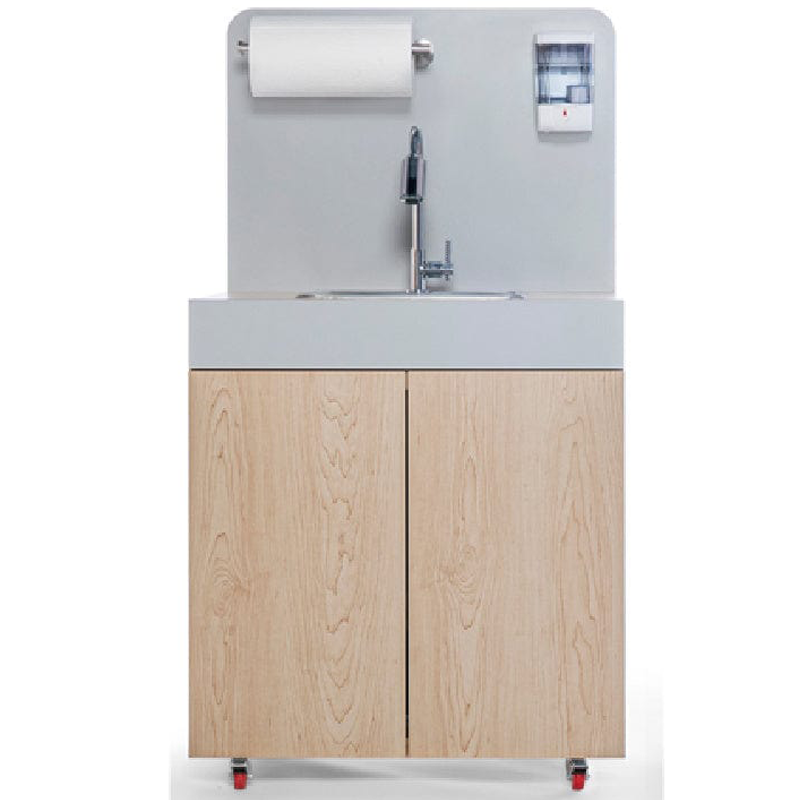
All Portable Sinks has a wide range of portable sinks that don’t require traditional plumbing and often meet health department regulations. Refillable water tanks, integrated paper towel holders, and a waste tank mean you can have the convenience and safety of a handwashing sink without plumbing.
Many of our models have hot and cold running water, hands-free operation, and integrated soap dispensers, ensuring you have access to safe, clean running water whenever you need it. Check out our full line of portable sinks designed for tattoo shops, or contact us today and learn more about our solutions.