When it comes to washing just about anything, you need two ingredients: water and soap. And you’ve probably noticed that plain old water gets most things pretty clean on its own, so why do we use soap?
To get things clean, of course! But soap is so much more than a cleaning agent. Not only does it help get rid of germs, it also helps water clean more effectively.
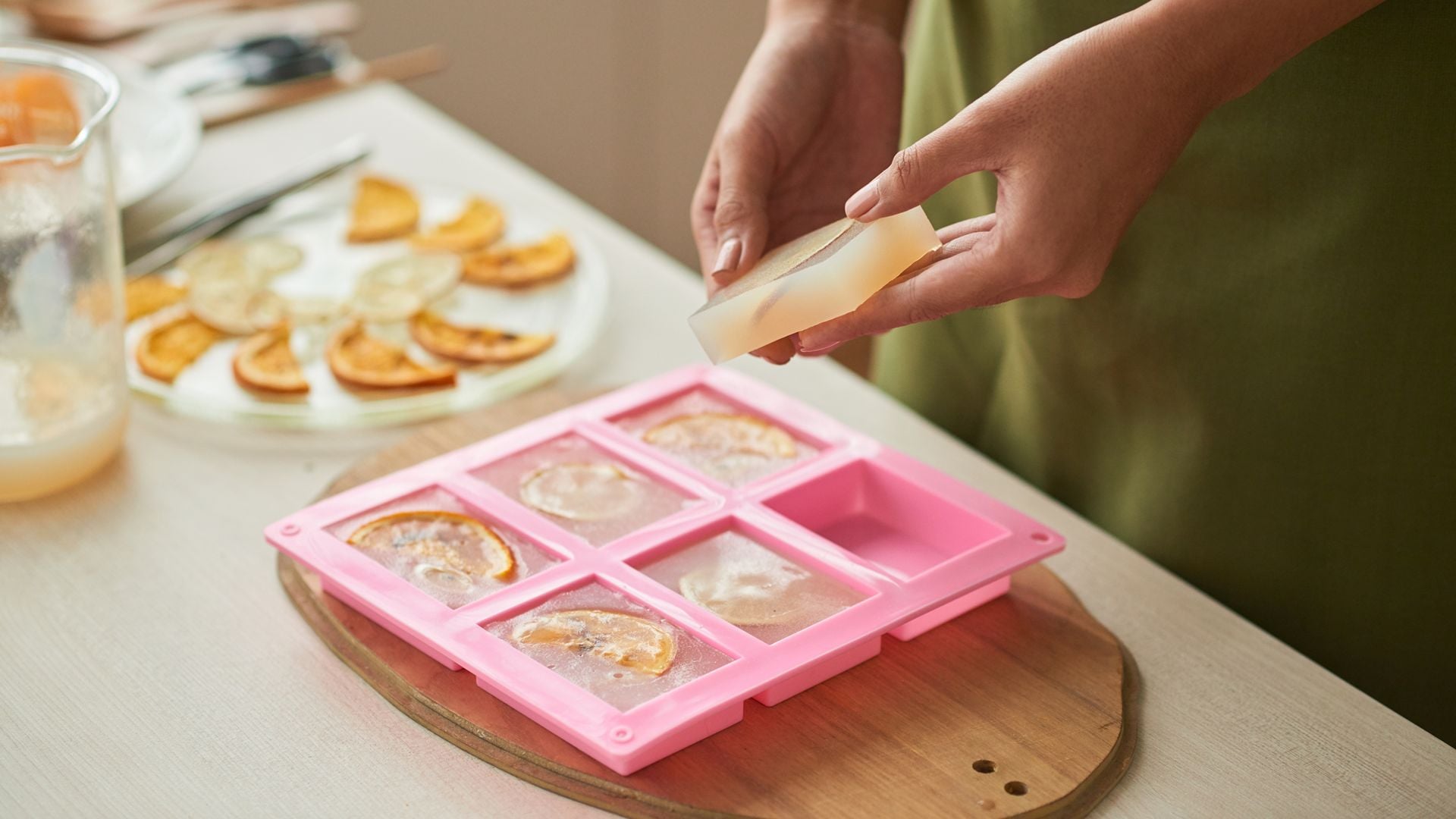
Soap is the end product of a chemical reaction called saponification. When fats or oils are combined with a strong alkaline substance (like lye), they react to form compounds called fatty acid salts, AKA the molecules that make up soap. To be clear, there’s no lye left in the soap once saponification is complete. Depending on the alkali, saponification can create both bar and liquid soap.
However, these days, many products marketed as soap are actually “soap.” What the heck does that mean?
The FDA has a strict definition of what soap is, including the ingredients and cleaning action. Without getting into all the science, for something to be soap, it must be mostly the “alkali salts of fatty acids,” and said salts must be the only things that create the “cleaning action.”
Most body cleansers these days use a synthetic detergent, not “alkali salts of fatty acids,” making them “soap” and not soap. However, they still work the same as soap, ensuring you get the same results.
Throughout the day, dirt, oil, and germs accumulate on our skin and the surfaces around us. Rinsing those surfaces in water can get rid of some of those germs and dirt, but water alone isn’t enough. Soap helps remove the things water can’t, like dirt and grease, as well as germs. Interestingly, though, soap doesn’t kill germs. Instead, it helps lift and trap germs, so they can rinse down the drain.
A soap molecule has two ends that function as opposites, but work together. One end is hydrophilic, meaning it’s attracted to water. The other end is hydrophobic, which means it’s attracted to oil and grease.
Let’s use your hands as an example.
When you wash your hands, you usually do it with soap and running water. You put some soap on your hands, add some water, then rub your hands together to create a lather, and the soap molecules get to work, loosening and breaking up the oil and grease on your hands.
As that happens, the soap molecules form a micelle, a spherical group of soap molecules. In a micelle, the hydrophobic ends point in, trapping the grease, oil, and germs. The hydrophilic end points out, helping to lift the micelles from your hands and down the drain.
So, while soap doesn’t kill germs, it lifts them away, which is great, but there are other reasons to use soap throughout the day.
Soap makes general cleaning more effective by reducing water’s surface tension. Water molecules are naturally attracted to each other. It’s why water tends to bead up and pool on certain surfaces, instead of spreading evenly.
Adding soap interferes with that, reducing the attraction and lowering the water’s surface tension. The interruption makes it easier to wet the entire surface of whatever you’re trying to clean, and allows the soapy water to reach more dirt and wash it away.
These same properties are what make soap useful for so much more than handwashing. For example, dish soap helps remove cooking oils, food residue, and grease from pots, pans, and plates. Household cleaners use similar principles to lift dirt and grime from countertops, floors, and other surfaces. And when we shower, soap works just like it does on our hands.
Since hot water is better at dissolving grease and oil than cold water, you might think it makes more sense to wash your hands in hot water. However, when it comes to removing germs with soap, water temperature doesn’t make much difference.
Soap works just as well in hot, warm, and cold water. More importantly, using hotter water doesn’t necessarily improve the effectiveness of the soap. What makes soap most effective is using it, so choose a water temperature that’s most comfortable for you to ensure you use it!
So, if regular soap is a safe and effective way to remove germs, antibacterial soap must be even better at removing germs, right?
Not exactly.
Antibacterial soap contains ingredients that target bacteria. However, the FDA has found there isn’t enough evidence that consumer-grade antibacterial soaps are more effective at preventing illness than using plain soap and water.
That’s not to say that antibacterial soaps don’t work. It’s just that there’s not enough evidence to support the claim they’re more effective. It’s also important to note that antibacterial soaps target bacteria, not viruses or other microorganisms, so they’re not effective against things like the common cold.
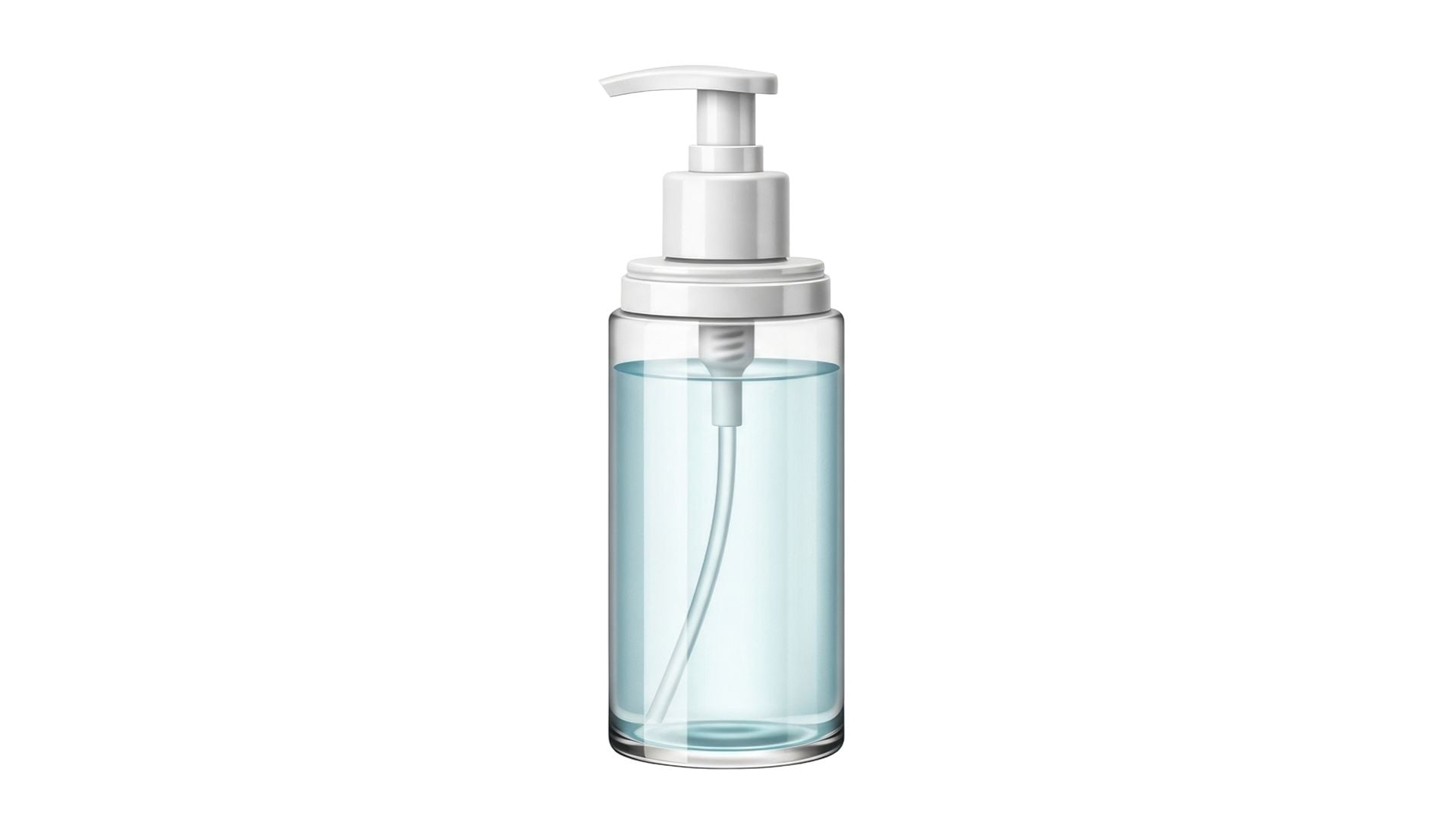
Bar and liquid soap are equally effective at lifting dirt, oil, and germs, so they can be washed away with water.
The biggest difference comes down to how they’re formulated. Both are made through the saponification and both may contain moisturizing ingredients or fragrances. Ultimately, “better” in this case means “what you prefer to use and will use regularly.”
Hand sanitizer can be a convenient alternative for hand washing when soap and running water aren’t available. However, hand sanitizer doesn’t work the same way as soap and water.
While soap and water rinse germs off your hands, hand sanitizers — specifically alcohol-based ones — work by inactivating bacteria and viruses by damaging the membranes and proteins that help them function. But to get the most out of hand sanitizers, you must use one with between 60% and 95% alcohol, as that concentration is more effective against a wider range of germs.
Hand sanitizer may be effective against many germs, but it’s not effective against every germ, including norovirus and C. difficile. Sanitizer also doesn’t get visible dirt or grease off your hands, which is why soap and water are the preferred method for washing your hands.
Sometimes, simple is best, and that’s exactly what soap is: a simple solution for getting hands, bodies, and all kinds of surfaces clean and free of germs. While how we make soap has changed over time, how it works hasn’t, and it’s usually your best bet for cleaning things up.
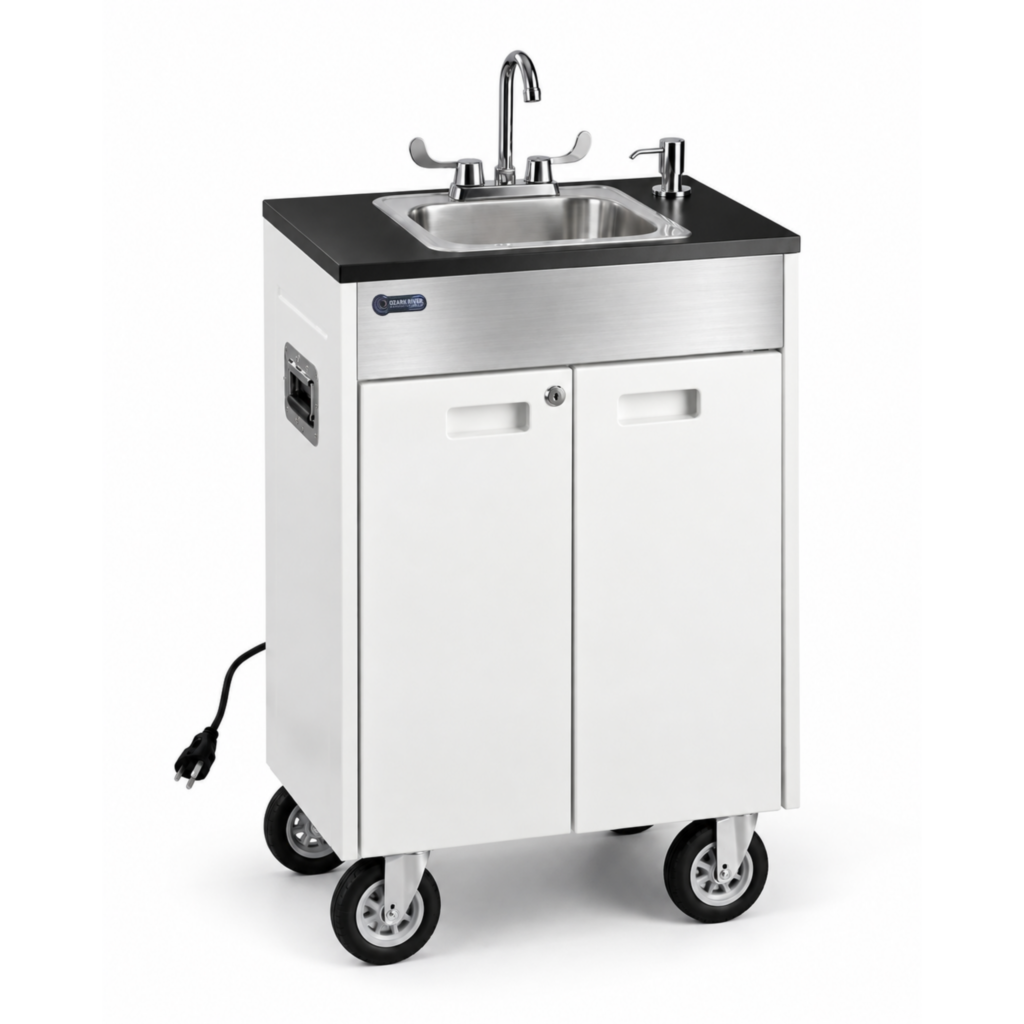
Of course, the one problem is that to make this simple solution work, you need running water. And running water usually requires plumbing, something you may not have easy access to on a job site or in the great outdoors. But a portable sink changes that, making access to clean, safe, running water a reality.
At All Portable Sinks, we carry an array of brands and styles that are perfect for all kinds of applications and businesses, including:
Contact us today and learn more about our portable sink solutions or browse our full lineup of products.