Is hand washing actually effective at reducing the spread of germs? We all hear the advice to wash our hands before we eat. During flu season, there are extra reminders to wash our hands. But is it really effective in preventing illness? And how does hand sanitizer fit into all of this?
The short answer is yes, and what you use to wash your hands matters.
As you go about your day, your hands pick up bacteria, viruses, and other germs that are already on the surfaces, objects, and, yes, people you touch. Those germs travel with you, spreading to the surfaces, objects, and, yes again, people you touch — including yourself. When you touch your eyes, nose, or mouth, those germs can potentially infect you. Washing your hands interrupts that chain, stopping the spread of germs.
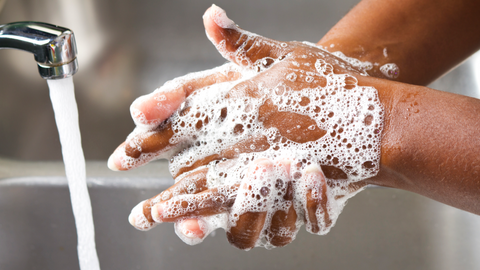
You may think that washing your hands with soap and water kills germs, but that’s not an accurate way to describe what happens. Soap contains surfactants, which help lift dirt, oil, and germs from your skin, but it doesn’t kill them. When you rub your hands together, that friction loosens those materials. As the soap lathers, it traps the dirt and germs, allowing you to rinse them away.
So, while soap is important, running water is, perhaps, more important. Because soap doesn’t kill germs, whether it’s a virus or a bacteria, rinsing your hands under running water ensures those germs are removed from your hands and washed down the drain. Rinsing your hands in standing water isn’t as effective because that water can be contaminated with the germs you’re trying to get rid of, redepositing them right back on your hands.
It’s also important to note that the rinse water doesn’t have to be hot, since that also won’t kill the germs. Warm and even cold water are just as effective at rinsing contaminated lather off your hands and down the drain. The trick is to get all the lather off your hands before you touch anything else, so use a water temperature that’s comfortable enough for you to rinse your hands as long as you need to.
There’s no right or wrong number of times to wash your hands every day. What matters is washing them when you’re most likely to pick up or spread germs. That could include:
But merely rubbing some soap on your hand then rinsing it off likely won’t do an effective job. You should:
When soap and running water aren’t available, you may turn to hand sanitizer instead. In a pinch, it can be an acceptable alternative to hand washing with a few caveats.
The CDC recommends using a hand sanitizer with at least 60% alcohol. That concentration is important because hand sanitizer works differently than soap and water. The alcohol damages the proteins and protective outer membranes of many bacteria and viruses, killing these germs instead of rinsing them away. But hand sanitizers with less than 60% alcohol aren’t as effective at killing these germs.
It’s also critical to use hand sanitizer the right way. Like washing your hands, you need to cover every part of your hands with the sanitizer and rub them together until they’re dry – including the backs of your hands and between the fingers. Wiping the sanitizer off before it dries can reduce its effectiveness.
Hand sanitizer also isn’t as effective as soap and running water on visible dirt and grease, and it doesn’t kill every germ. For example, Cryptosporidium and Clostridioides difficile have hard outer membranes that alcohol just can’t penetrate.
Even when your hands look perfectly clean, there’s a good chance they have all kinds of germs on them. While hand sanitizer works when soap and running water aren’t available, washing your hands with soap and running water is the most effective way to stop the spread of germs all year round.
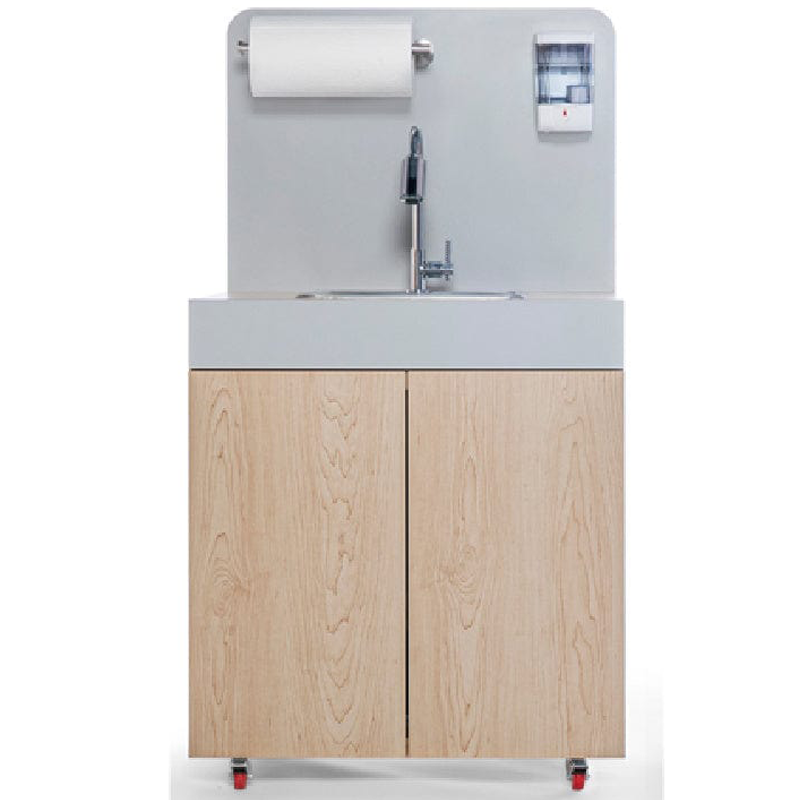
The trouble with running water, though, is that it usually comes from plumbing, but those water lines aren’t everywhere, like outdoors or at temporary events. That’s where portable sinks come in. They don’t require any plumbing and often work with a simple power source — including your foot!
All Portable Sinks has portable sink solutions that are perfect for:
Contact us today to learn how we can help or browse our full product line.