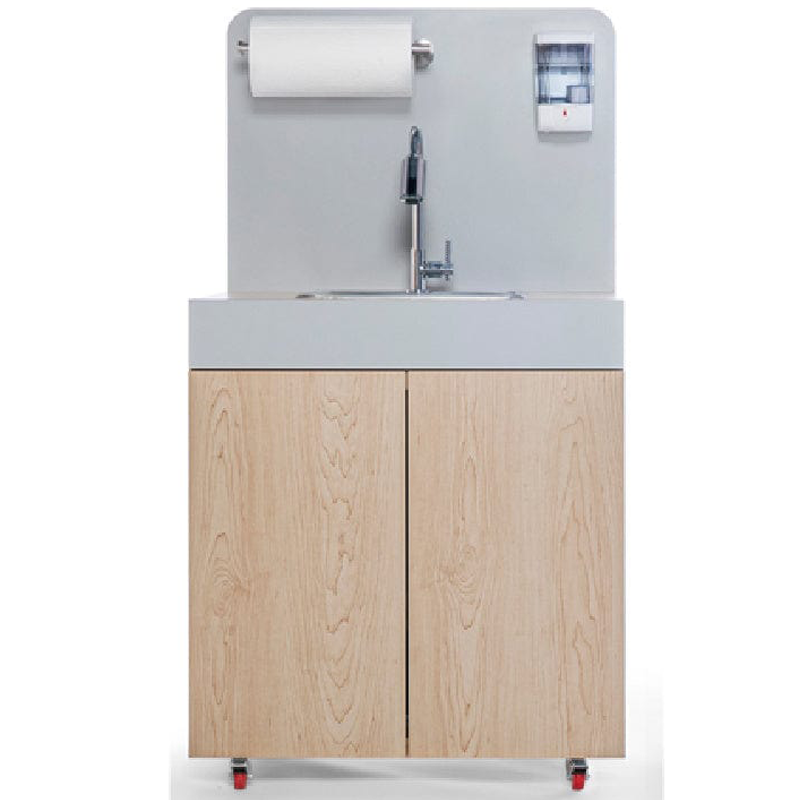
Whether you’re planning a large-scale event, own a tattoo shop, or work in a daycare setting, a portable sink is a great way to ensure everyone has access to soap and running water for handwashing. The excellent thing about a portable sink is that you can put it just about anywhere you don’t have traditional plumbing.
The key words there are “just about.” A portable sink is flexible but not infallible, and that starts with placing your portable sink in the best location possible to ensure optimal accessibility and performance. Here’s what to look for in a spot for your portable sink.
How to Find the Best Spot for Your Portable Sink
Below we’ve got two types of tips to help you identify the best spot for your portable sink. Some of them are absolutely necessary to ensure your sink performs at its best and is safe for use. The other type is our top recommendations to ensure you and everyone who uses the sink gets the most out of it.
Close to Water
While a portable sink doesn’t need traditional plumbing to operate, it does need a source of clean, potable water for the clean water tank. This tip isn’t saying you should keep your portable sink by a tap or spigot. What we are saying is that you need to think about how you’re going to fill, refill, and empty your portable sink’s water tanks.
Many of our portable sinks have five-gallon clean water tanks, and the waste water tank holds even more. Depending on where you’re using your portable sink (like at a temporary event or in a food truck), you may be subject to regulations on how and where you empty your waste water tank.
Five or so gallons of water may not seem like a lot to lift, carry, and pour. But when you’re using it someplace where a lot of people are washing their hands, you may be lifting, carrying, and pouring that five gallons an awful lot! So, consider how close your sink will be to clean water for refills and where you’ll empty the tank.
Power Sources
Some portable sinks are foot-pump activated, meaning you don’t need any outside power to make the sink work, and a few are battery-operated, while others use propane. However, a vast majority of portable sinks require an external power source to run the pump or hot water heater.
When we say “external power source,” what we’re generally talking about is a standard wall outlet because many portable sinks can run off the power you’d find in a home. However, this outlet needs to be close to the sink because we do not advise plugging your portable sink into extension cords or power strips. And it should use a dedicated outlet, meaning it’s the only thing plugged in.
So, think about how you’re going to power the sink if it needs it. Is there a standard outlet nearby, or will you need to bring in something like a generator and plug your sink into that?
Level Surfaces
Portable sinks perform their best when they’re on a flat surface. A fair amount of water flows through the drains, hoses, and faucets. A level surface ensures excess water doesn’t remain someplace it shouldn’t or leak somewhere you don’t want it. Likewise, flat surfaces also ensure the fresh and wastewater tanks are filled to the appropriate levels.
Where People Are
This tip probably falls into the “obvious” category, but people don’t want to have to walk too far or too long just to wash their hands. So, think about where the people who need your portable sink are going to be throughout the day.
For example, at a festival, you probably want portable sinks near the restrooms. But also consider strategically placing a few throughout the event, like near the food or in a central location not near the bathrooms. Likewise, if you’re using the sink in a healthcare setting, consider placing a portable sink somewhere easy for people to get to before they visit patients.
Special Tips for Outdoor Portable Sinks
The above tips apply to nearly all portable sink models. However, if you’re placing your portable sink outdoors, there are a few additional tips to keep in mind.
Keep It Covered
While portable sinks are designed for use with water, it’s important to protect them from rain, sleet, and spills when used outdoors. This helps prevent electrical shocks and damage from the elements. If you’re using a portable sink outdoors for long periods of time, consider keeping it under a tent at all times, just in case it rains.
Avoid Freezing Temperatures
While most portable sinks are durable, sturdy, and built to last, they aren’t designed to work in freezing temperatures. Just like you can’t let the pipes in your house freeze, you can’t let the internal components of a portable sink freeze. Even the tiniest bit of moisture during a cold snap could do serious damage.
If you can, plan on moving your portable sink indoors when freezing temperatures are predicted, to be safe. If that’s not possible, you should consider draining your sink of all water.
To be safe, we recommend treating “freezing temperatures” as anything below 45 degrees Fahrenheit.
A Place for Every Portable Sink
No matter what event, industry, or purpose you’re using a portable sink for, placing your unit in the right location ensures you get the best performance out of your sink for years to come.
All Portable Sink has a wide range of portable sink solutions that are perfect for:
Contact us today for expert assistance on picking out a portable sink, or browse our full product line.