It’s no surprise that hand hygiene is a huge topic of conversation in healthcare settings. Proper handwashing keeps patients, staff, and visitors safe. The same strategy can be applied to other clinics as well, like those for our furry (or scaly!) friends.
Maintaining proper hand hygiene is incredibly important when working with animals because these patients don’t wash their hands — not to mention, they lie on the floor, constantly lick themselves, and can still spread germs and disease even when they’re properly vaccinated.
Whether it’s a veterinary clinic, shelter, or pop-up adoption event, hand hygiene plays a crucial role in keeping everyone safe. And while hand sanitizer is OK in a pinch, a portable sink is your best bet for keeping hands clean.
Controlling germs and bacteria in animal facilities is a huge concern because many viruses can affect a healthy and immunized pet. For example: Bordetella (kennel cough) is highly contagious among animals, even when your pet is properly immunized. While some of the infections and illnesses that pets are susceptible to don’t pose the same risk to humans, we can still spread the illness from an infected pet to a healthy one if we don’t wash our hands carefully. For example:
Even when you wear protective gear, like gloves or masks, it’s impossible to tell if the virus has hitched a ride on your hands. The most effective way to get rid of these germs is through proper handwashing with soap and running water.
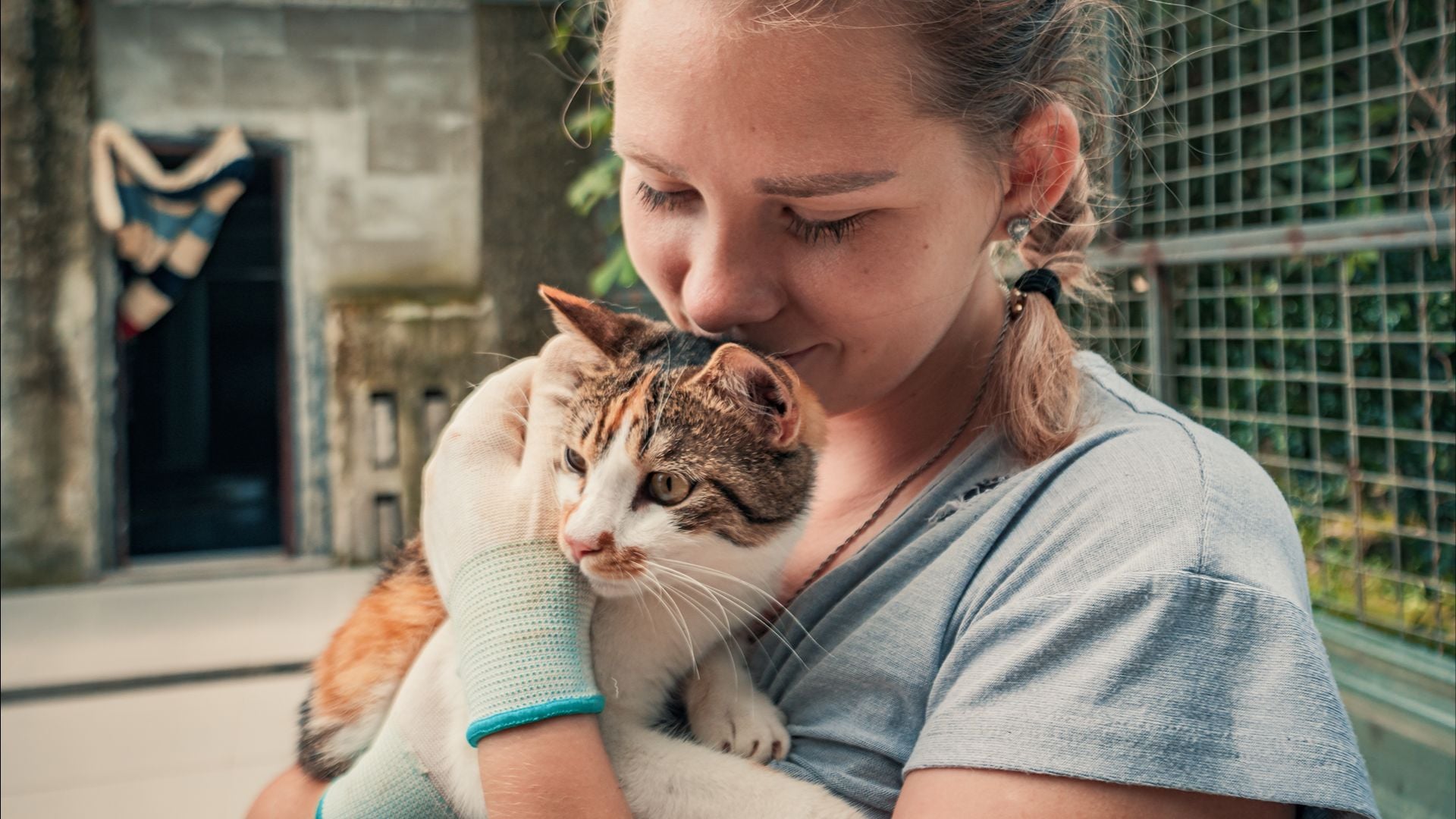
Half the battle is keeping environmental surfaces germ-free. Consider that even if you put an animal onto a perfectly clean exam table, if someone’s hands are infected, the germs can transfer from the table, and to the animal. Handwashing before and after handling an exam is crucial to maintaining the health and hygiene of everyone in your facility, as well as wiping down all the exam surfaces and equipment.
In shelters and at pop-up events, it’s important to ensure staff as well as potential pet parents wash their hands before and after touching the animals. While your staff does all it can to keep sick animals isolated, it isn’t always easy to tell which animals are sick. A well-meaning visitor could potentially spread diseases from animal to animal without proper handwashing.
Hand hygiene keeps everyone healthy and germ-free. But sometimes saying “wash your hands” isn’t that simple.
While many veterinary clinics and shelters have plumbing, the existing handwashing stations may not be enough. If your facility has grown or there just aren’t enough convenient sinks, some people may skip the handwashing in favor of sanitizer, or nothing at all! And at a pop-up event, there likely isn’t any plumbing around, making handwashing seem impossible.
But portable sinks make the impossible possible. You can place the sinks wherever you need and have instant access to fresh, clean running water that makes handwashing a breeze – no plumbing required!
At All Portable Sinks, we have a variety of portable sinks that are just the solution you’re looking for. Most sinks have hot and cold running water, integrated soap dispensers, and other extras that make handwashing in an animal facility easy. Contact us today to see what our portable sinks can do for you or browse our full lineup of sinks.